What’s Better? EMDR or Brainspotting?
The Similariates and Differences of EMDR and Brainspotting
Short answer: They’re both great.
Eye Movement Desensitization and Reprocessing (EMDR) and Brainspotting (BSP) both have the same goal, but different modalities.
SIMILARITIES
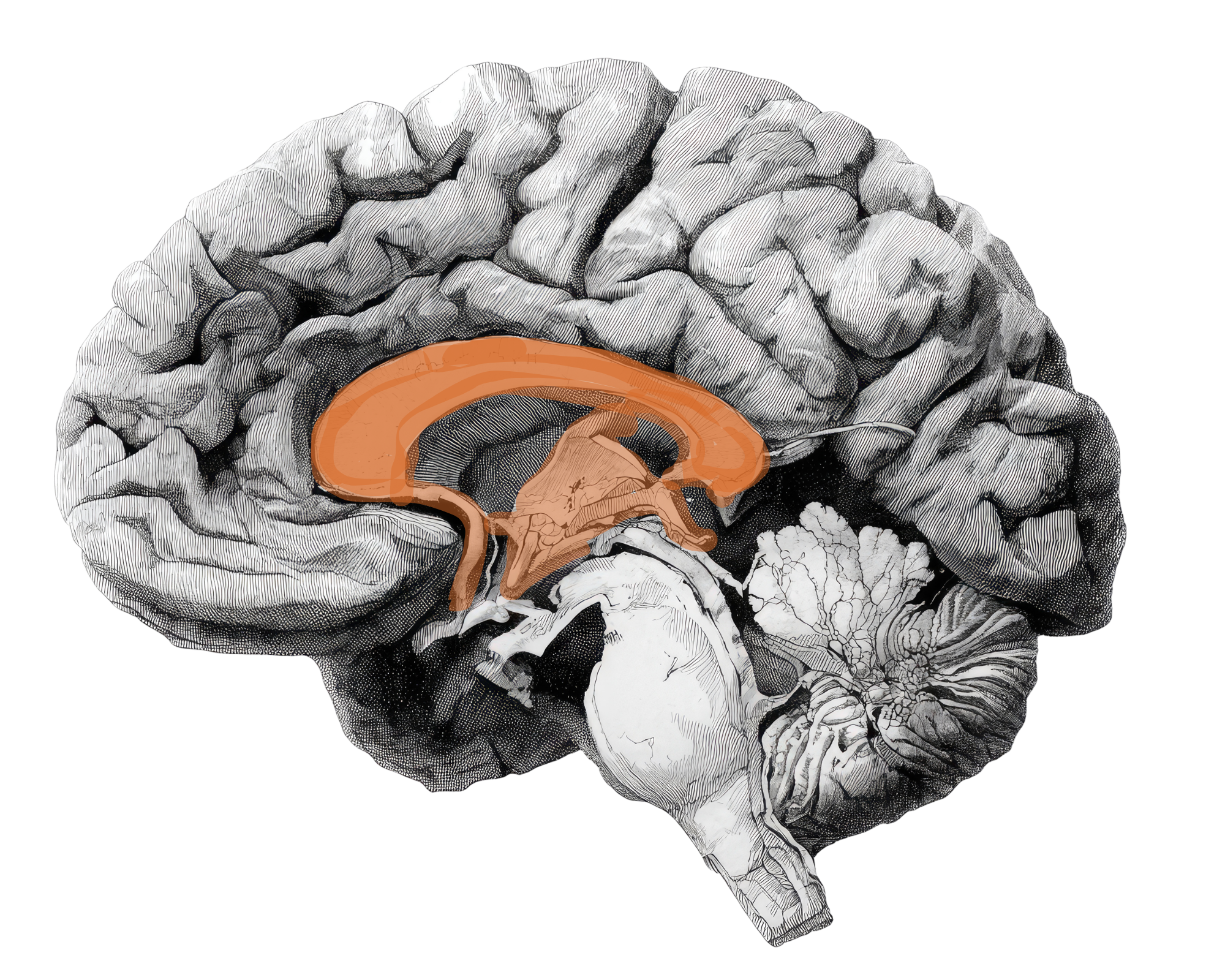
EMDR and BSP help individuals access their inner brain to process experiences. The inner brain - or limbic system - is where memories, emotions, and automatic responses (fight, flight, freeze) are stored. Deep healing can occur when therapy focuses on treating the inner brain.
EMDR and BSP are often presented to individuals who have PTSD, but anyone can benefit from both modalities. If you have recurring symptoms of anxiety, depression, impulsivity, irritability, etc. EMDR and/or BSP would be beneficial. Both therapies get to the root of what causes these symptoms and helps you process them.
Brainspotting and EMDR are more effective than talk therapy or Cognitive Behavioral Therapy (CBT) for recurring symptoms. Talk therapy and CBT focus on the outer brain - or cortex - where logic, language, senses (hearing, seeing, etc.) are processed. If you are needing therapy for stress management or to work through a difficult relationship, talk therapy and CBT will likely be a good option. But if you have repeated patterns of symptoms or behaviors, it is probably a result of distressing or traumatic experiences. And those are stored in the limbic system or inner brain. No amount of talk therapy or CBT will access the inner brain.
Anecdotally, I have worked with several people who have done talk therapy for years with some results, but not the lasting results they want. After Brainspotting or EMDR, their symptoms have significantly reduced.
Attunement with the Body
During Intensive EMDR or Brainspotting sessions, you will learn the brain-body connection. Both modalities encourage you to focus on bodily sensations such as tightness in chest, rapid heart beat, tense muscles, etc. As you notice your body’s sensations you are able to connect them to emotions and/or thoughts that occur simultaneously.
This skill is so important outside of the therapy office. It allows you to notice when your body feels dysregulated and how to manage it. For example, if you notice your shoulders getting tight while processing an anxious memory, if you notice tight shoulders while you’re at home you might realize that you’re anxious. And when you can name or label how you feel, you can cope with it.
Measurable Results
When you work with me, I have you complete questionnaires about beliefs you might have and how distressing those beliefs are to you. You will complete the questionnaires before our first Intensive session and in-between each session. We use these questionnaires to track your progress. As your beliefs shift from more distressing to more positive, you notice a difference in your life. Your symptoms will decrease, you will be less reactive, and most importantly - you will be more of your true self.
DIFFERENCES
Accessing the Inner Brain
EMDR and Brainspotting both access the inner brain for deeper change, but they access the inner brain differently.
EMDR uses “bilateral stimulation” (BLS) to help access the limbic system. BLS is when you activate both sides of the brain and body in a rhythmic pattern through eye movements, tapping, and/or audio tones. BLS mimics Rapid Eye Movement (REM) sleep - the phase in your sleep cycle in which you dream - allowing you to process thoughts, emotions, and memories but while awake and alert.
You get to choose what combination of BLS works best for you. The eye movements can be done using a light bar or the therapist’s fingers. Tapping uses either pulsers that you hold in your hand that gently vibrate back and forth or you can take your own shoulders/arm with your hands. Using headphones, the therapist can have audio tones beep back and forth from one ear to the other.
Brainspotting uses a visual spot or “brainspot” that your eyes gaze upon that activates the inner brain. The therapist can use their fingers or a pointer to help figure out what brainspot is activating. When identifying a brainspot, you might notice an inner reaction (muscles tighten, mind races, emotions come up) or the therapist might notice outer reactions (increased blinking, facial expression change, body fidgeting). You work together with the therapist to identify which brainspot works best for you.
After identifying the brainspot, the therapist will help you stay focused on that spot using a pointer or other visual marker for your eyes to return to if needed.
Intensity
EMDR is often described as an intense experience with rapid processing. The therapist guides you to have quick bilateral stimulation to mimic REM sleep. It can be described as being like a passenger on a train and your memories, thoughts, and feelings are like the scenery quickly passing by as you look out the window.
Brainspotting is a more gentle approach to processing. As you gaze on the brainspot your mind works at a natural pace as it processes memories, thoughts, and feelings.
It’s important to note that even though Brainspotting may seem more gentle than EMDR, this does not make EMDR “better” than Brainspotting. They are just different.
Client or Therapist Led
You are ultimately in control with both modalities, but there is a difference in how much the therapist interacts with you while you are processing.
EMDR is more therapist-led in that the therapist determines the speed of BLS and checks in frequently to see how the processing is going. Some people do not like the frequency in which the therapist stops the BLS to check in (anywhere from every 10 to 60 seconds).
Brainspotting is more client-led as your mind processes at its own pace. The therapist generally stays quiet, unless needed. The therapist’s job during Brainspotting is to be attuned to you and offer guidance as needed.
So Which One is Best for Me?
After reading these descriptions, I hope you have a better idea of which modality might work best for you. However, I would recommend trying both. Because EMDR and Brainspotting have similar goals of accessing the inner brain and processing, they are interchangeable. But after trying both modalities you may find you have a preference for one over the other. I have also had clients choose to use EMDR for one issue and Brainspotting for a different issue. When you work with me, you get to choose what modality works best for you.
If you live near Cincinnati, Ohio, I offer Intensive sessions - sessions that are three hours in length - that allow you to process underlying thoughts, emotions, and memories impacting your life at a faster pace. I want you heal faster so you can live the life you deserve to live.
Intensive sessions are different from your traditional therapy - it is an accelerated way to reach your therapeutic goals. I’ve written another blog describing the benefits of Intensive therapy sessions. I offer Intensive sessions in my office, centrally located in the Cincinnati area, in Blue Ash, Ohio (near Summit Park).
If you have any questions for me, please reach out! I love sharing the benefits of Brainspotting and EMDR!
Written by Jenny Liu, LPCC-S
Owner and Therapist at Conscious Roots Counseling
You can email her: jenny@conscious-roots.com